 Dutch
Dutch
 English
Combustion related noise and vibration
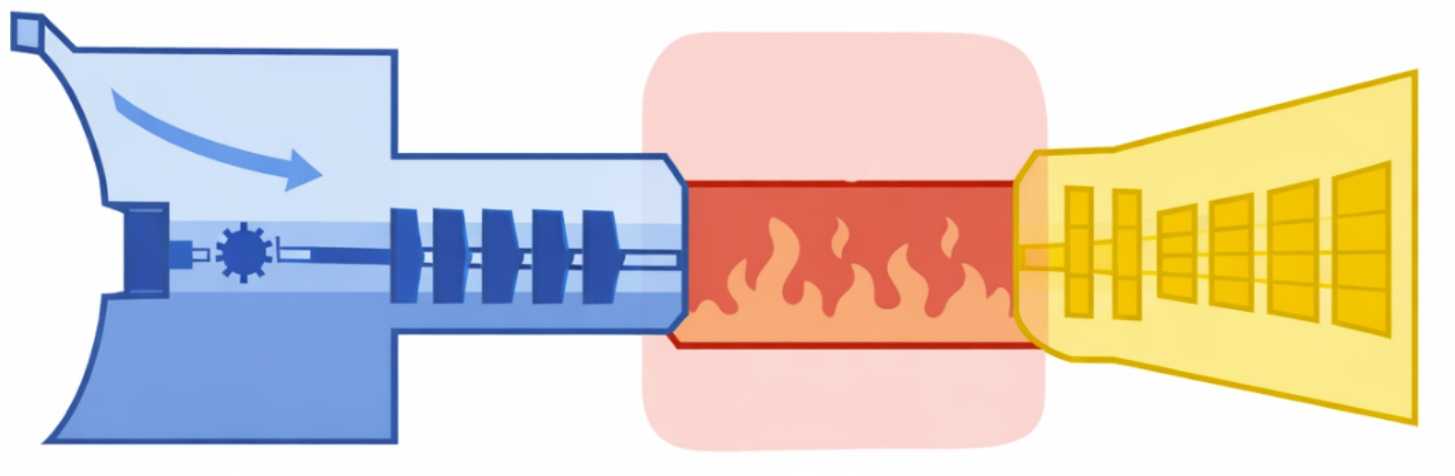
Combustion systems, such as furnaces, boilers, and turbines, can generate complex noise and vibration phenomena that extend beyond conventional mechanical or flow-induced sources. These issues often arise from dynamic interactions between unsteady heat release, flow, the acoustic characteristics of the system, and structural response. The resulting pressure oscillations and vibrations can lead to elevated noise levels, reduced performance, increased mechanical wear, and potential occupational health concerns. By integrating noise engineering with combustion diagnostics, we help industrial partners understand and mitigate combustion-related noise and vibration at the source, supporting improved operational safety, regulatory compliance, and long-term reliability.
M+P offers a diverse portfolio of specialized services in support of combustion noise and vibration issues.
Diagnosis of combustion noise and pulsations
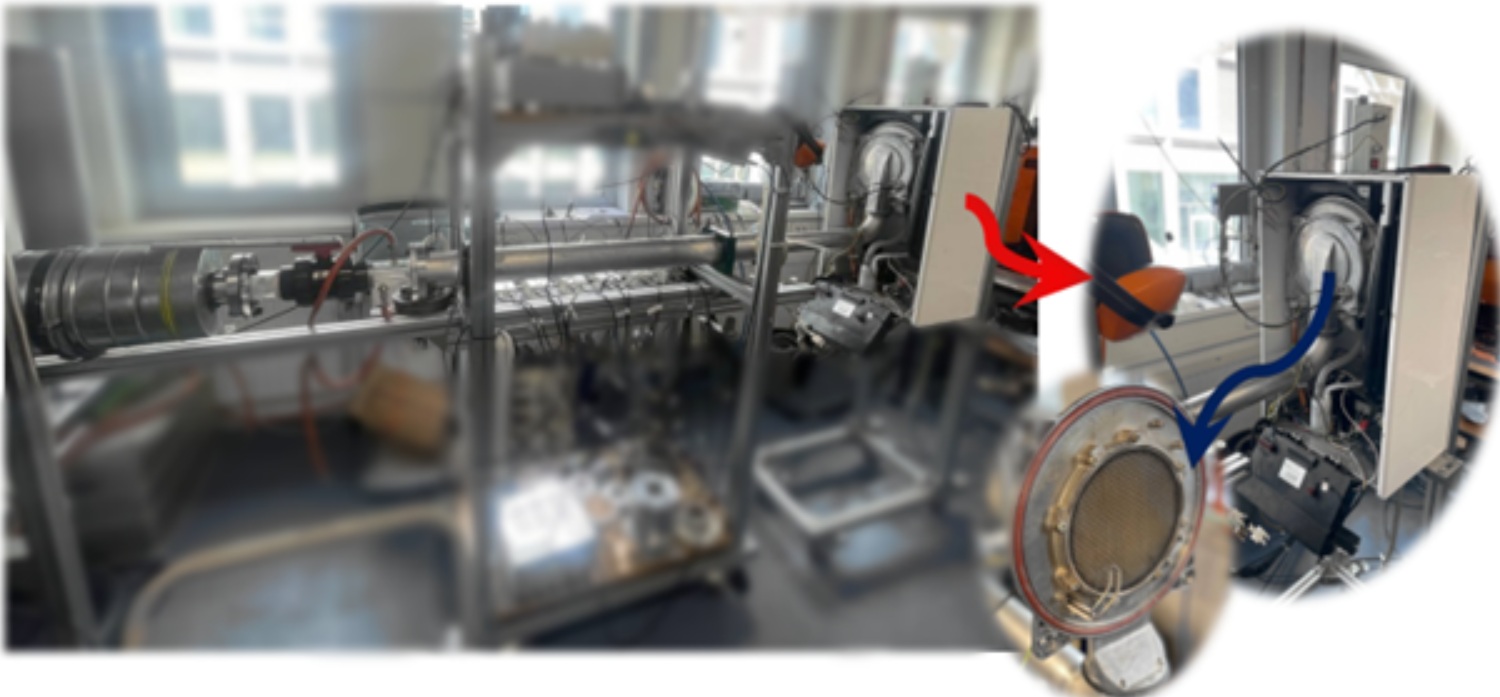
Identifying whether observed noise and vibration originate from thermo-acoustic coupling, intrinsic flame dynamics, mechanical excitation, or strong interactions between these mechanisms. This includes distinguishing system-driven instabilities from burner- or flame-intrinsic modes. Using advanced acoustic and pressure measurements combined with dedicated signal analysis to characterize combustion dynamics, pulsations, and vibration behavior over a range of operating conditions.
Robust burner and flame design support
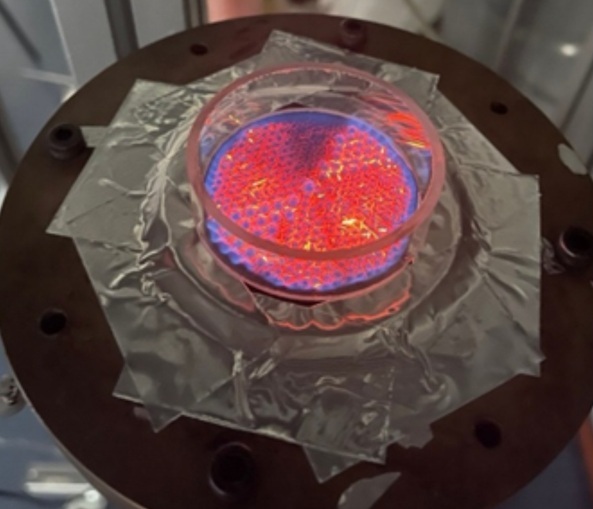
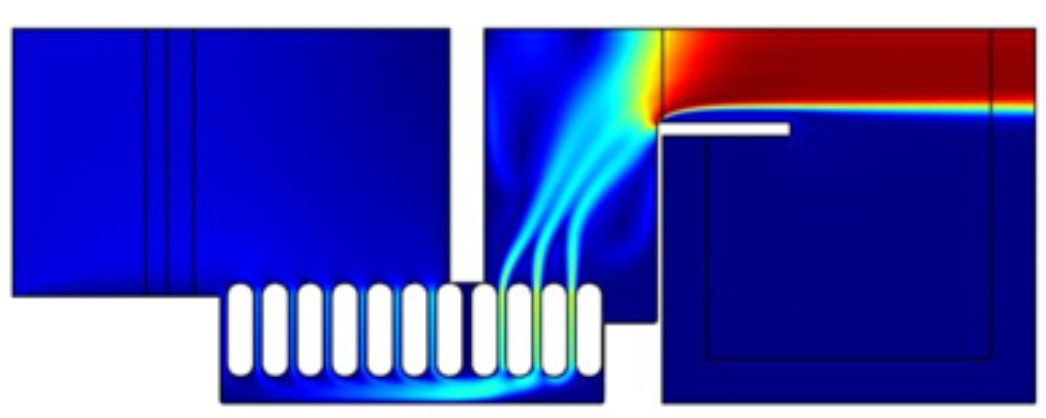
Supporting burner development through system-level-physics-based strategies that model the acoustic response burner with its corresponding flame. This includes evaluating perforation patterns and burner/combustor geometries to achieve stable operation across a wide operating envelope.
Quantitative stability metrics and performance indicators
Applying stability figures-of-merit to evaluate the acoustic quality of burners along with their corresponding flames, even when full knowledge of system boundary conditions is unavailable. This supports objective comparison between design options during R&D.
Support for fuel transitions
Assessing the impact of fuel changes (e.g. hydrogen blends or low-calorific fuels) on combustion stability, noise, and vibration, and supporting the adaptation of burner and system designs to ensure robust and compliant operation.
Support for fuel transitions
Assessing the impact of fuel changes (e.g. hydrogen blends or low-calorific fuels) on combustion stability, noise, and vibration, and supporting the adaptation of burner and system designs to ensure robust and compliant operation. Design review and mitigation measures
Advising on targeted mitigation measures—such as burner modifications, acoustic damping concepts, or system layout changes—to reduce noise and vibration while maintaining performance, emissions, and durability, supported by numerical simulations, digital twins, and field measurements.
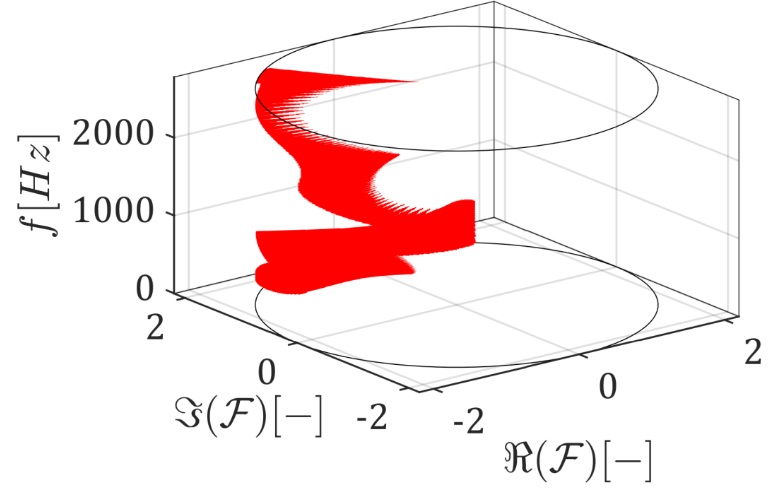
Thermo-acoustic stability assessment and mapping
Analyzing and quantifying thermo-acoustic instabilities using frequency-dependent stability analysis. We assess critical frequency ranges, instability margins, and sensitivity to operating conditions, providing clear guidance on which system parameters most strongly affect stability.
Software development and digital analysis support
Developing and applying tailored software tools to support analysis, modelling, data processing, and interpretation of combustion-related noise and vibration. This includes translating engineering methods into robust, transparent, and user-oriented digital workflows that support both R&D and operational use.